https://x.com/DataSocietyTW/status/1716475557200732260?s=20
https://x.com/DataSocietyTW/status/1717040024707891528?s=20
Paradigm Shifts
=================
Five Examples of Paradigm Shifts within Data Analytics and Data Visualization Systems
Paradigm shifts in data analytics and data visualization systems refer to fundamental changes in the approaches and underlying assumptions of how we deal with data.
Here are five notable paradigm shifts:
From Batch Processing to Real-time Streaming
From Rigid Schemas to Schema-less Datastores
From Traditional BI to Self-service BI
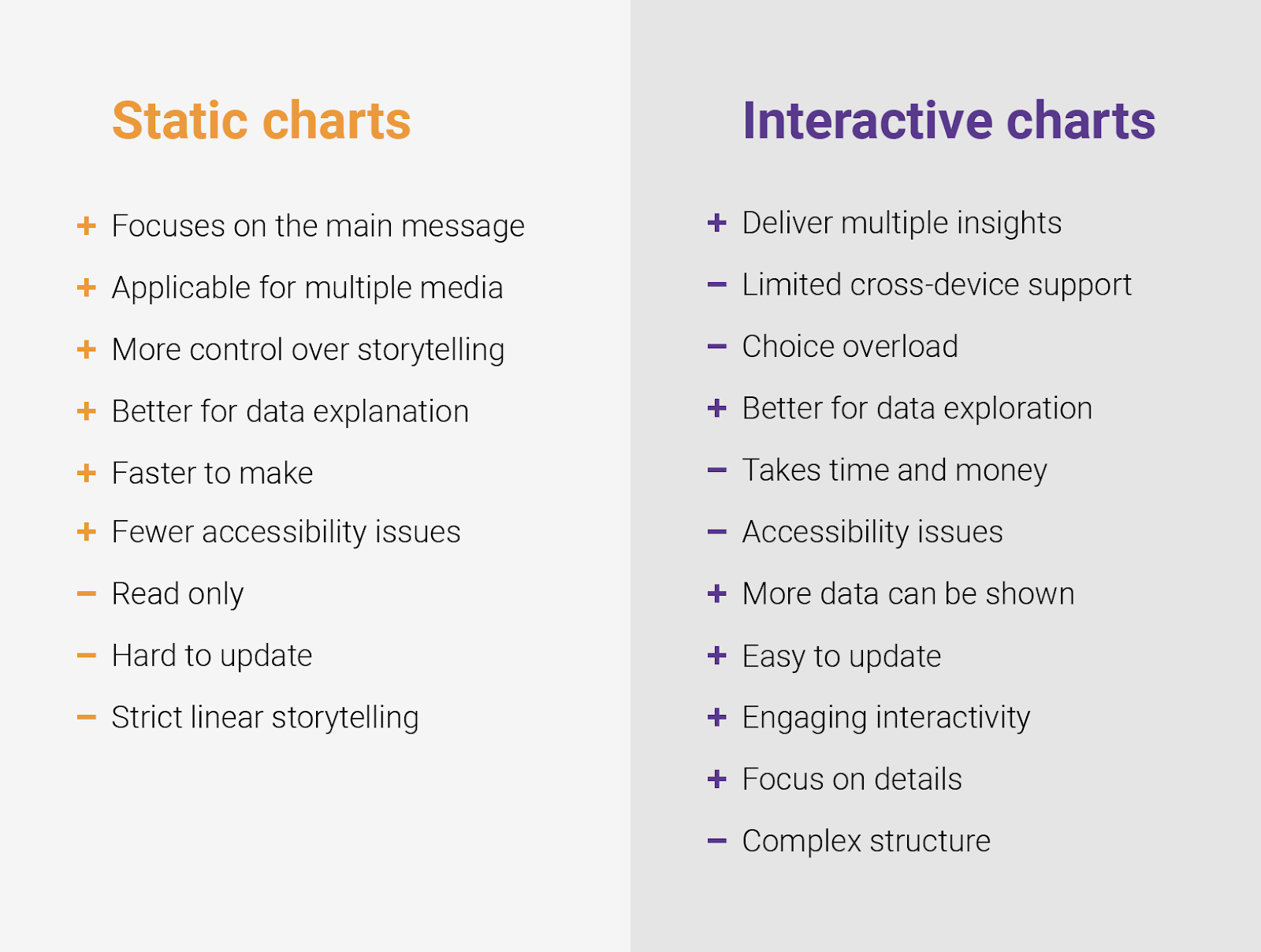
From Static Visualizations to Interactive Dashboards
From Centralized Data Warehouses to Distributed Data Lakes
Shown below, each of these shifts has significantly impacted how businesses approach data, offering increased flexibility, speed, and depth of insight.
==========
From Batch Processing to Real-time Streaming:
Old Paradigm: Data was traditionally processed in batches, where accumulated data would be processed at scheduled intervals.
New Paradigm: With the advent of tools like Apache Kafka and Spark Streaming, there's a shift towards real-time data streaming and processing, enabling businesses to make immediate decisions based on live data.
==========
From Rigid Schemas to Schema-less Datastores:
Old Paradigm: Traditional databases (like relational databases) required a fixed schema wherein the structure of the data had to be defined in advance.
New Paradigm: NoSQL databases (like MongoDB, Cassandra, etc.) introduced the idea of schema-less data storage, allowing for more flexibility and adaptability to changing data needs.
==========
From Traditional BI to Self-service BI:
Old Paradigm: Business Intelligence tools were previously complex and required IT specialists to create reports or dashboards.
New Paradigm: Modern BI tools like Tableau, Power BI, and QlikView have empowered end-users. Now, even non-technical users can generate their own reports, visualizations, and insights without depending heavily on IT.
==========
From Static Visualizations to Interactive Dashboards:
Old Paradigm: Data visualizations were traditionally static images or graphs presented in reports.
New Paradigm: With advancements in technology and tools, there's a shift towards interactive dashboards where users can drill down, filter, and explore the Data in real-time, leading to more engaged data discovery and better insights.
==========
From Centralized Data Warehouses to Distributed Data Lakes:
Old Paradigm: Data was predominantly stored in centralized data warehouses where it was cleaned, transformed, and then loaded (ETL process).
New Paradigm: The introduction of data lakes changed the narrative. Data lakes allow for storing vast amounts of raw data in its native format, which can be structured or unstructured. This decentralized approach, combined with the "ELT" process (where data is first loaded and then transformed), provides more flexibility and scalability in handling diverse and big data.
The future is increasingly becoming shaped by data analytics and technology, but the role of humor is an interesting lens through which to consider it. Here's how these two seemingly disparate elements could intertwine:
Decision Making: From business and healthcare to politics and education, data analytics is aiding in smarter, faster decision-making.
Personalization: Tailoring products, services, and experiences for individuals has been enhanced dramatically with analytics.
Predictive Analytics: Whether it's predicting the next big trend or forecasting resource needs, analytics can provide invaluable foresight.
Human Connection: In a world increasingly mediated by screens and algorithms, humor remains a uniquely human way to connect.
Cultural Currency: Humor, memes, and viral moments often dictate the ebb and flow of the cultural zeitgeist.
Mental Health: Humor is a coping mechanism and a way to make life's complexities more manageable.
Data-Driven Comedy: Algorithms are starting to understand humor, assisting in the creation of content that could be both funny and relevant to specific audiences.
Enhanced Storytelling: Data can enrich storytelling, a key component of humor, by offering insights into what people find engaging or funny.
Personalized Humor: Imagine a Netflix comedy special that tailors its jokes in real-time based on your past viewing habits or even your current mood, gauged through biometric data.
Humanizing Data: Making data relatable through humor can make complex issues more understandable and approachable.
AI and Comedy: As AI learns the nuances of humor, we could see bots become not just functional but entertaining, providing comic relief in everyday interactions.
Gamification: Data analytics could make games (which often employ humor) more engaging, using real-time data to adjust the difficulty, pacing, and even jokes.
Social Commentary: Both data analytics and humor are powerful tools for social commentary. Data shows us the what, while humor can provide the why.
Ethical Considerations: As data analytics grows more sophisticated, conversations around ethics and fairness also become more complex. Humor can be a way to interrogate these complexities, making them accessible and understandable to the general populace.
Meme Stocks and Economy: We've already seen how memes and social sentiment can move markets. Data analytics can track and even predict these movements.
Crisis Management: During crises, accurate data and levity are both invaluable. Data helps us understand the scope and scale, while humor can lighten the mood and make difficult situations slightly more bearable.
The synthesis of data analytics and humor is a fascinating frontier, combining the depth of human emotion and creativity with the precision and capabilities of modern technology.
Transforming Our World
In today's rapidly evolving digital landscape, the fusion of Artificial Intelligence (AI) and data analytics has emerged as an unparalleled force driving innovation and transforming industries across the globe. From businesses to healthcare, education to entertainment, the potential of AI and data analytics to revolutionize our world is unmatched, making them indispensable in the 21st century.
The first and foremost significance of AI and data analytics lies in their ability to extract valuable insights from vast and complex datasets. With the exponential growth of data, organizations have an abundance of information at their disposal. However, without proper analysis, this data remains dormant, offering little value. AI-powered data analytics enables businesses to comprehend patterns, trends, and correlations within this data, empowering them to make informed decisions, optimize operations, and gain a competitive advantage.
Furthermore, AI and data analytics pave the way for personalized experiences. In fields like marketing, AI algorithms can analyze customer behavior and preferences, tailoring products and services to individual needs. This not only enhances customer satisfaction but also fosters stronger customer loyalty and brand engagement.
Moreover, AI-driven data analytics is revolutionizing healthcare. It helps identify disease patterns, improve diagnosis accuracy, and discover potential treatments, leading to more effective healthcare solutions and ultimately saving lives.
Another crucial aspect is the role of AI and data analytics in bolstering efficiency and productivity. In manufacturing and supply chain management, AI optimizes processes, predicting demand, and streamlining production, thus reducing costs and minimizing waste. Similarly, in agriculture, AI helps monitor crop health, predict weather patterns, and optimize irrigation, revolutionizing the way we produce food.
However, while embracing the potential of AI and data analytics, we must also be mindful of ethical considerations. Data privacy, security, and bias are critical issues that require constant vigilance and responsible practices to safeguard against potential risks.
In conclusion, the symbiotic relationship between AI and data analytics holds enormous potential for reshaping our world. From unlocking new insights to delivering personalized experiences and driving efficiency, the applications are endless. Embracing these transformative technologies responsibly will undoubtedly lead us into a future of boundless possibilities, ultimately making the world a smarter, more innovative, and inclusive place for all.
Banning artificial intelligence (AI) could have several unintended consequences, some of which may have both positive and negative effects.
Here are a few potential consequences to consider:
1. Stifling Innovation: AI has the potential to revolutionize various industries and improve efficiency, productivity, and quality of life. Banning AI could impede progress and limit opportunities for technological advancements. It might hinder research and development in areas such as healthcare, transportation, and automation.
2. Economic Impact: AI is a significant driver of economic growth and job creation. Banning AI could lead to job losses in AI-related industries and hinder economic competitiveness on a global scale. AI has the potential to create new job opportunities and transform existing ones, and a ban may hinder these positive economic impacts.
3. Limiting Benefits: AI has the potential to solve complex problems, enhance decision-making, and improve various aspects of our lives. Banning AI would limit the potential benefits that AI can bring, such as advancements in healthcare, personalized education, improved transportation systems, and increased cybersecurity measures.
4. Security Risks: AI can contribute to improving security measures, including detecting and preventing cyber threats, identifying patterns in large datasets, and enhancing surveillance systems. Banning AI may hamper these capabilities, making it more challenging to address security risks effectively.
5. Underground Development: Banning AI might lead to the emergence of underground or clandestine development of AI technologies. This could result in unregulated and potentially harmful AI systems without proper oversight or ethical guidelines, exacerbating risks associated with AI deployment.
6. Technological Divide: A ban on AI could widen the technological divide between countries and communities. Nations or organizations that embrace AI would likely gain a competitive advantage over those restricted by the ban, further exacerbating existing disparities and inequalities.
7. Ethical Concerns: While AI presents ethical challenges, such as bias, privacy, and accountability, a ban might hinder the development of AI ethics frameworks and the implementation of regulations to address these concerns. Without active engagement, discussions, and responsible development, the potential risks of AI could go unaddressed.
It is important to note that the consequences of banning AI will depend on the specific context, scope, and extent of the ban. These consequences should be carefully weighed against the potential benefits and risks associated with AI, and policymakers should consider alternative approaches, such as responsible development, regulation, and ethical guidelines, to mitigate the negative impacts while fostering the positive ones.